
Homeownership guides
Long-form guides covering the real costs, risks, and tradeoffs of homeownership. Every guide links to the underlying data source.
 Worst States for Property Tax
Worst States for Property Tax: Where Homeowners Pay the Most Property taxes represent one of the largest recurring costs of homeownership, and where you live dramatically affects how much you pay. A handful of states consistently impose effective property tax rates that are two to three times the national median. Understanding which states carry the
 Best States for Homeowners
Best States for Homeowners: A Data-Driven Overview The “best” state for homeownership depends heavily on your priorities: affordability, property tax burden, insurance costs, climate risk, home value appreciation, or overall cost of living. No single state wins on every metric. This guide examines key factors that typically influence the homeownership experience across the United States
 Reverse Mortgage: Risks and Tradeoffs
Reverse Mortgage: Risks and Tradeoffs, a Summary A reverse mortgage allows homeowners, typically aged 62 or older, to convert a portion of their home equity into cash without making monthly mortgage payments. The most common type, the Home Equity Conversion Mortgage (HECM), is federally insured through HUD’s Federal Housing Administration. While this financial tool can
 Home Equity: How It Works
Home Equity: How It Works Home equity is the difference between your property’s current market value and the outstanding balance on any loans secured by it. For many American households, equity in a home represents the single largest component of net worth. According to the Federal Reserve’s Survey of Consumer Finances (FRED), housing wealth accounts
 Title Insurance, Explained
Title Insurance, Explained: A Summary Title insurance is a one-time policy purchased during a real estate closing that protects the policyholder against financial losses arising from defects in a property’s title. Unlike most insurance products, which protect against future events, title insurance protects against problems rooted in the past: undisclosed liens, recording errors, forgery, unknown
 Escrow Accounts, Explained
Escrow Accounts, Explained: A Summary An escrow account is a dedicated holding account, typically managed by your mortgage servicer, that collects and distributes funds for recurring homeownership expenses like property taxes and homeowners insurance. Rather than paying these large bills in one or two lump sums per year, you contribute a portion each month alongside
 How to Appeal Your Property Tax Assessment
How to Appeal Your Property Tax Assessment: A Summary Property taxes are one of the largest recurring costs of homeownership, and they are based on your local assessor’s estimate of your home’s value. That estimate is not always accurate. According to national studies and data from the Census ACS, millions of homeowners may be paying
 Investment Property: Full Ownership Cost
Investment Property: Full Ownership Cost, Summarized Purchasing an investment property can be a wealth-building strategy, but the full cost of ownership extends far beyond the mortgage payment. Investors who underestimate ongoing expenses may find their expected returns eroded or eliminated entirely. This guide breaks down every major cost category associated with owning a rental or
 Relocating: The Full Cost
Relocating: The Full Cost Moving to a new home involves far more than the sticker price of a house or the fee on a moving truck. The full cost of relocation typically spans six major categories: selling your current home, buying a new one, physically moving, adjusting to a new cost of living, absorbing temporary
 Buying vs. Building a Home
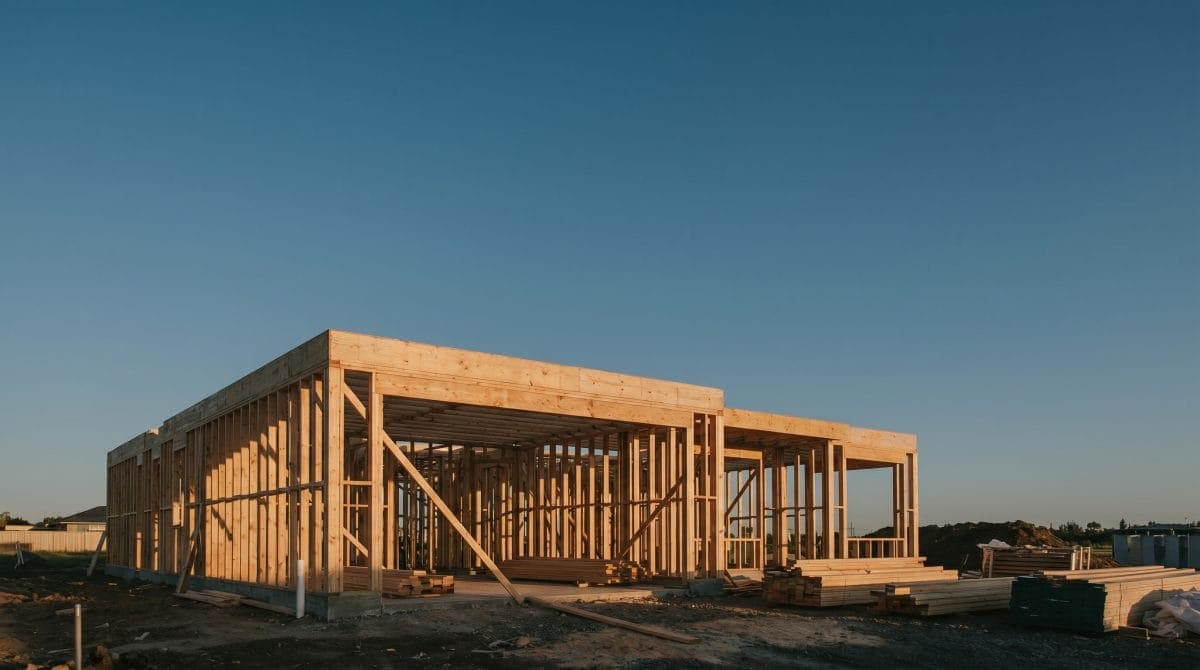
Buying vs. Building a Home: A Summary Choosing between purchasing an existing home and building a new one is one of the most consequential decisions in homeownership. Each path carries distinct cost structures, timelines, risks, and lifestyle trade-offs. In most cases, buying an existing home is faster and more predictable, while building offers customization and
 When to Sell Your Home
When to Sell Your Home: A Summary Deciding when to sell your home is one of the most consequential financial choices most households face. The “right” time depends on a combination of personal circumstances, local market conditions, equity position, tax implications, and housing alternatives. There is no universal answer: a move that builds wealth for
 Home Renovation ROI: What Actually Pays Back
Home Renovation ROI: What Actually Pays Back Not every renovation dollar comes back at resale. In fact, most projects return less than their full cost, and some recoup only a fraction. Understanding which improvements tend to hold value, and which ones primarily serve your lifestyle rather than your wallet, can help you make more informed
 Solar Panels: Real Cost and Payback
Solar Panels: Real Cost and Payback, Summarized Residential solar panel systems can reduce or eliminate electric bills, but they come with significant upfront costs, long payback timelines, and a range of variables that affect whether the investment makes financial sense for a specific home. The median installed cost for a residential solar system in the
 Home Energy Efficiency: Where the Savings Are
Summary: Home Energy Efficiency Savings in Perspective Energy costs represent a meaningful share of homeownership expenses, with the average U.S. household spending approximately $2,000 to $3,000 per year on home energy bills (DOE EIA, Residential Energy Consumption Survey). Improving a home’s energy efficiency can reduce those costs, but the savings vary widely depending on climate
 Home Warranty: Is It Worth It?
Home Warranty: Is It Worth It? A Summary A home warranty is a service contract that covers the repair or replacement of major home systems and appliances when they break down from normal wear and tear. It is not insurance, and it does not cover structural issues, pre-existing defects (in most cases), or damage from
 HOA Fees: What They Cover, What to Watch
HOA Fees: What They Cover, What to Watch Homeowners association fees are recurring charges paid by owners in communities governed by an HOA. They fund shared services, maintenance of common areas, and reserve accounts for future repairs. In most cases, these fees range from a modest monthly amount for a single-family subdivision to several hundred
 PMI: When You Pay It, When You Drop It
PMI: When You Pay It, When You Drop It Private mortgage insurance (PMI) is a cost that typically applies when a homebuyer finances more than 80% of a home’s value with a conventional loan. It protects the lender, not the borrower, against the risk of default. For many buyers, PMI adds between 0.2% and 2.0%
 Homestead Exemption: A State-by-State Guide
Homestead Exemption: A State-by-State Guide A homestead exemption reduces the taxable value of a primary residence, which in turn lowers annual property tax bills. These exemptions exist in most U.S. states, but the rules, dollar amounts, and eligibility requirements vary dramatically from one jurisdiction to the next. For homeowners trying to estimate their true carrying
 Home Inspection: What It Covers
Summary: What a Home Inspection Covers and Why It Matters A home inspection is a visual, non-invasive examination of a property’s major systems and structural components. It is typically performed by a licensed or certified inspector before a home purchase closes. The inspection report may influence negotiations, repair requests, or a buyer’s decision to proceed
 Closing Costs: What You Actually Pay
Summary: Closing Costs Are a Significant, Often Underestimated Expense Closing costs represent the collection of fees, taxes, and charges that buyers and sellers pay when a real estate transaction is finalized. For buyers, these costs typically range from 2% to 5% of the home’s purchase price, though the exact amount varies considerably based on location,
 Down Payment: How Much Do You Really Need?
Down Payment: How Much Do You Really Need? The down payment is typically the single largest upfront cost when buying a home, yet the amount you actually need may be far less than you think. While the 20% down payment has long been treated as a benchmark, data from the National Association of Realtors shows
 How Much House Can I Afford?
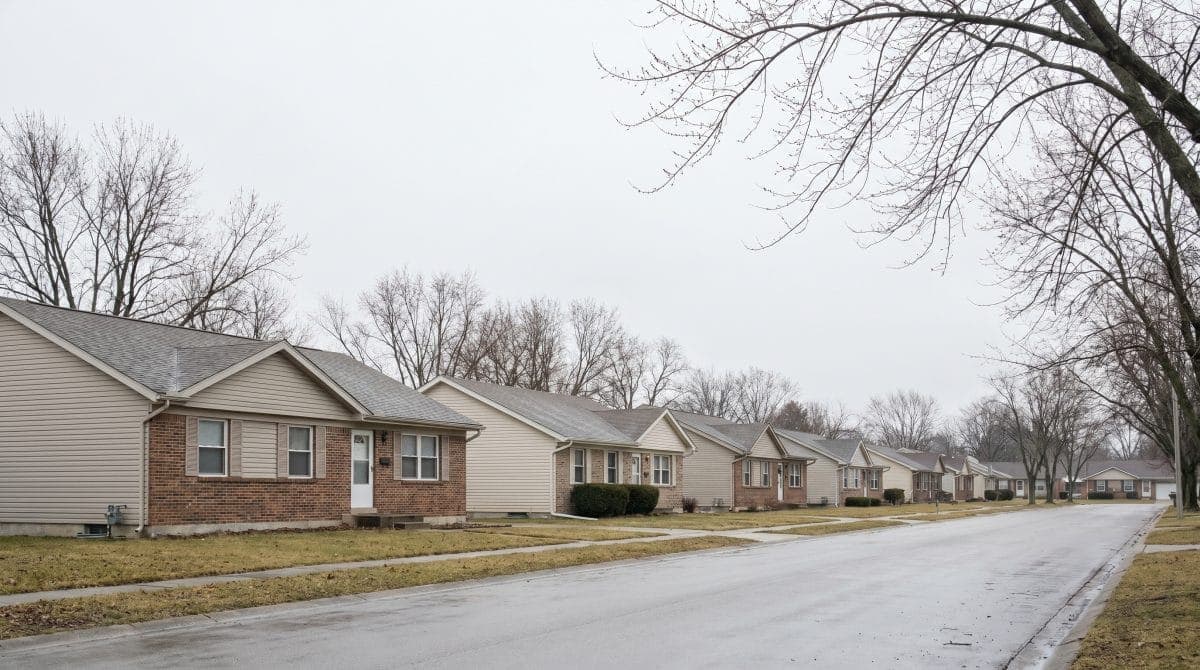
How Much House Can I Afford? A Practical Framework Determining how much house you can afford is one of the most consequential financial calculations most people will ever make. The answer depends on far more than your income: it involves your existing debts, savings, local tax rates, insurance costs, maintenance expectations, and your personal tolerance
 Home Maintenance Checklist by Season
Home Maintenance Checklist by Season: Summary Routine home maintenance is one of the most predictable, yet frequently underestimated, costs of homeownership. Industry estimates generally place annual maintenance spending at 1% to 4% of a home’s value, though the actual figure varies widely based on climate zone, the age of the home, and the condition of
 Flood Insurance: Who Needs It
Flood Insurance: Who Needs It Flood damage is one of the most expensive and common natural disasters in the United States, yet standard homeowners insurance policies almost never cover it. Whether you live in a high-risk flood zone or a neighborhood that rarely sees standing water, understanding flood insurance helps you make informed decisions about
 Homeowners Insurance Explained
Homeowners Insurance Explained: A Summary Homeowners insurance is a financial product that protects your home, personal property, and liability exposure against covered losses such as fire, theft, windstorm, and certain water damage events. Most mortgage lenders require it as a condition of the loan, but even homeowners who own their property outright generally benefit from
 Property Tax: A Homeowner’s Guide
Property Tax: A Homeowner’s Guide Property tax is one of the largest recurring costs of homeownership, and it typically persists for as long as you own a home. Unlike a mortgage, which can eventually be paid off, property tax obligations generally continue indefinitely. This guide covers how property taxes are calculated, what drives them up
 Rent vs. Buy: A Decision Guide
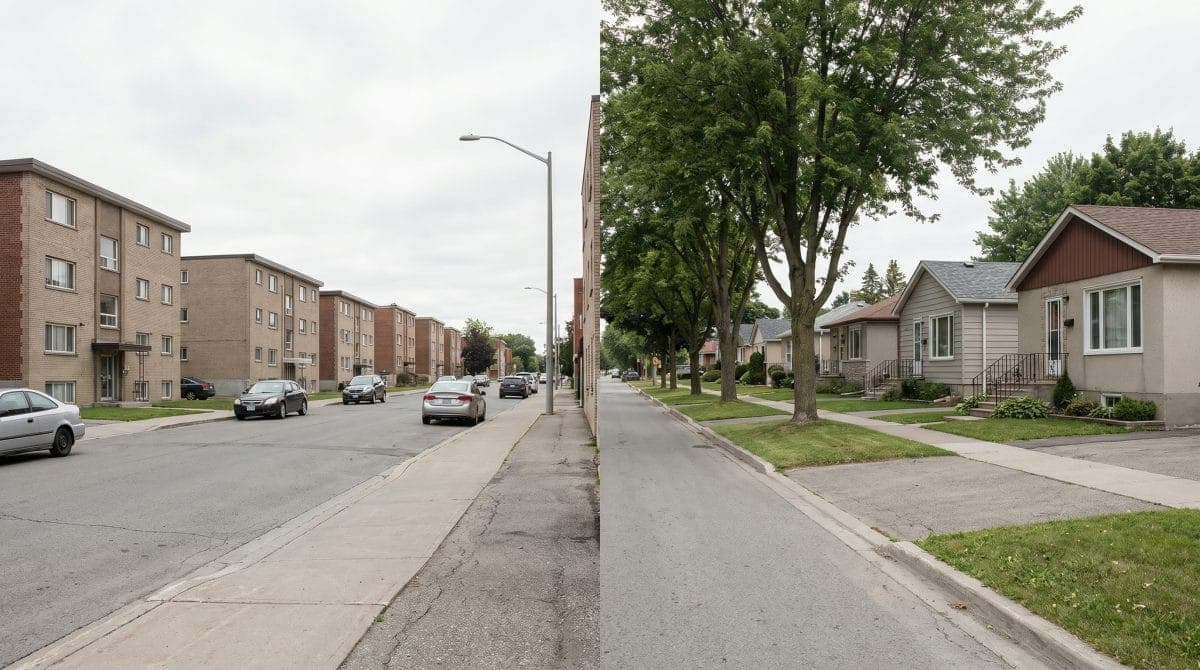
Rent vs. Buy: A Quick Summary The decision to rent or buy a home is one of the most significant financial choices most people face. There is no universally correct answer. The best path depends on your financial position, how long you plan to stay in one place, local housing market conditions, and your personal
 Is Buying a House Worth It in 2026?
Summary: Is Buying a House Worth It in 2026? Whether buying a house is “worth it” in 2026 depends on your financial position, local market conditions, how long you plan to stay, and what you value beyond pure economics. Nationally, home prices have generally continued to outpace inflation over long periods, but short-term outcomes vary
 The Hidden Costs of Homeownership
Summary: What Homeownership Really Costs Beyond the Mortgage The monthly mortgage payment is typically the most visible cost of owning a home, but it generally represents only a portion of what homeowners actually spend. Property taxes, insurance, maintenance, repairs, utilities, and a range of less obvious expenses can add 30% to 50% or more to
 First-Time Homebuyer Guide
First-Time Homebuyer Guide: What to Know Before You Purchase Buying your first home is one of the largest financial commitments most people will ever make. This guide walks through the key stages of the process, from understanding your readiness to closing day and beyond. The goal is to help you think clearly about costs, tradeoffs,