
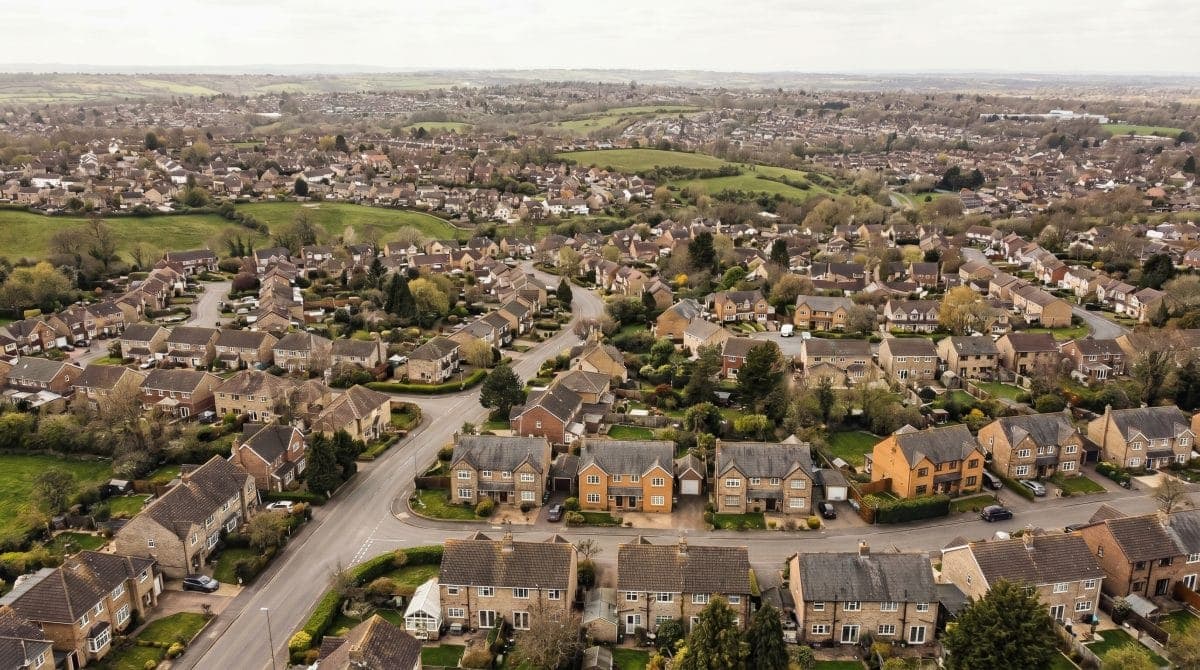
Best States for Homeowners: A Data-Driven Overview
The “best” state for homeownership depends heavily on your priorities: affordability, property tax burden, insurance costs, climate risk, home value appreciation, or overall cost of living. No single state wins on every metric. This guide examines key factors that typically influence the homeownership experience across the United States and highlights states that tend to perform well, along with the tradeoffs involved. The goal is to give you a framework for comparing states rather than a one-size-fits-all ranking.
How We Evaluate “Best” for Homeowners
Homeownership costs extend far beyond the mortgage payment. The total cost of owning a home generally includes:
- Purchase price relative to local incomes
- Property taxes
- Homeowners insurance and supplemental policies (flood, wind)
- Energy and utility costs
- Maintenance costs influenced by climate
- Home value appreciation over time
- State income tax treatment of housing-related deductions
A state with rock-bottom home prices but high insurance premiums and stagnant appreciation may not deliver better long-term value than a moderately priced state with strong equity growth. Context matters enormously.
Affordability: Where Incomes Stretch the Furthest
Median home values relative to median household incomes remain one of the most straightforward affordability measures. According to Census ACS data, states where the median home value sits at roughly two to three times median household income are generally considered affordable. States that typically meet this threshold include:
- West Virginia: Consistently one of the lowest median home values in the nation, often below $130,000.
- Mississippi: Median home values typically hover near $140,000.
- Arkansas: Affordable housing stock combined with a relatively low cost of living.
- Indiana: A Midwestern state with median home values generally below $185,000.
- Ohio: Varies significantly by metro area, but statewide figures tend to remain well below the national median.
The tradeoff in many highly affordable states is slower economic growth, fewer high-paying job opportunities, and in some cases, population decline. Lower home prices may also correlate with slower appreciation, which reduces long-term wealth building through homeownership.
Property Taxes: A Major Ongoing Cost
Property taxes vary dramatically across states, and they represent a recurring cost that compounds over decades of ownership. Census ACS data on median property taxes paid annually shows a wide range:
| Category | Example States | Typical Effective Rate |
|---|---|---|
| Low property tax | Hawaii, Alabama, West Virginia, Wyoming | Below 0.5% to 0.6% |
| Moderate property tax | Florida, Utah, North Carolina, Tennessee | 0.6% to 0.9% |
| High property tax | New Jersey, Illinois, Texas, Connecticut | 1.5% to over 2.0% |
An important caveat: states with low property taxes often compensate through higher sales taxes, income taxes, or other fees. Texas, for instance, has no state income tax but levies some of the highest property tax rates in the country. Evaluating the full tax picture is typically more useful than focusing on a single tax type.
Home Value Appreciation: Building Long-Term Equity
For many homeowners, appreciation represents a significant portion of long-term wealth creation. FHFA HPI data tracks home price changes over time and reveals meaningful differences between states.
States that have generally seen strong appreciation over the past decade include:
- Idaho: Rapid population growth has driven sustained price increases.
- Utah: A strong tech-driven economy has supported above-average gains.
- Florida: Population migration and limited density in desirable areas have fueled appreciation.
- Montana: Lifestyle migration has pushed prices upward, particularly in western counties.
- Tennessee: Nashville-area growth has lifted statewide numbers significantly.
However, past appreciation does not guarantee future returns. States that experienced rapid price increases may be more vulnerable to corrections, particularly if growth was driven by speculative buying or unsustainable migration patterns. Some states with historically moderate appreciation, such as those in the Midwest, may offer more stable, predictable value over time.
Insurance Costs and Climate Risk
Homeowners insurance has become an increasingly important factor in the total cost of ownership. FEMA NFIP data shows that flood insurance costs vary enormously depending on location, and states along the Gulf Coast, Atlantic seaboard, and major river systems typically face the highest flood premiums.
States where insurance costs may present challenges include:
- Florida: While strong in appreciation, Florida has some of the highest homeowners insurance premiums in the nation, driven by hurricane exposure and insurer withdrawals from the market.
- Louisiana: Flood risk, hurricane risk, and subsidence create elevated insurance burdens.
- California: Wildfire risk has led to insurer pullbacks in many areas, making coverage difficult to obtain at reasonable rates.
- Texas: Hail, wind, and coastal flooding contribute to above-average premiums.
States with generally lower insurance costs tend to be those with fewer natural disaster exposures. Examples include Vermont, New Hampshire, Ohio, and Utah. When comparing states, factoring in insurance and potential NFIP flood premium costs alongside mortgage and tax figures is essential for an accurate picture.
Energy Costs: The Hidden Ongoing Expense
DOE EIA data on residential energy prices shows meaningful variation by state. Energy costs depend on climate (heating vs. cooling demand), local utility rates, and the energy efficiency of the housing stock.
States with typically lower residential energy costs include Washington, Idaho, and Utah, which benefit from hydroelectric power. States in the Northeast and parts of the South that rely heavily on heating oil or have high electricity rates, such as Connecticut, Massachusetts, and Hawaii, generally see higher monthly utility bills.
For homeowners, energy costs represent a controllable expense to some degree: insulation upgrades, efficient HVAC systems, and solar installations can meaningfully reduce bills, but the baseline costs set by your state’s energy infrastructure still matter.
State Income Tax and Housing Deductions
IRS SOI data indicates that the value of mortgage interest and property tax deductions varies based on state income tax rates and whether a homeowner itemizes deductions. States with no income tax, such as Florida, Texas, Tennessee, Nevada, Wyoming, and Washington, eliminate one layer of taxation entirely, which may benefit higher-income homeowners in particular.
However, no-income-tax states typically generate revenue through other mechanisms. Property taxes in Texas, sales taxes in Tennessee and Washington, and tourism-related taxes in Nevada and Florida all offset the absence of income tax. The net benefit depends on individual circumstances, including income level, spending patterns, and home value.
States That Tend to Balance Multiple Factors Well
When weighing affordability, taxes, insurance, appreciation, and overall livability together, several states tend to appear consistently in favorable positions:
- North Carolina: Moderate home prices, reasonable property taxes, growing metro economies (Charlotte, Raleigh), and solid appreciation. Insurance costs are manageable outside of coastal counties.
- Tennessee: No state income tax, affordable housing outside Nashville, and strong recent appreciation. Property taxes are generally moderate.
- Utah: Strong job market, good appreciation history, low insurance costs, and affordable energy. Home prices have risen significantly, which may reduce affordability for new buyers.
- Idaho: Low crime, affordable energy, and strong appreciation. However, rapid growth has pushed prices higher, and rural areas may have limited services.
- Indiana: Very affordable housing, moderate property taxes, and stable Midwestern economy. Appreciation tends to be slower but more predictable.
- Virginia: Strong economy in the northern part of the state, moderate property taxes statewide, and diverse housing options. Northern Virginia’s proximity to Washington, D.C. supports appreciation but also elevates prices.
This list is not definitive. Your personal priorities, employment situation, family needs, and risk tolerance will shift which factors matter most. A retiree on a fixed income may prioritize low property taxes and insurance above all else, while a young professional may weight job market strength and appreciation potential more heavily.
When This Analysis Does Not Apply
State-level comparisons have inherent limitations. Housing markets are local: a single state may contain both extremely affordable and extremely expensive metros. Mississippi has low statewide medians, but specific neighborhoods in the Gulf Coast region face high insurance costs and flood risk. Colorado’s mountain communities operate very differently from its Front Range cities.
Additionally, this guide does not account for personal factors like proximity to family, career opportunities in a specific industry, school quality, healthcare access, or lifestyle preferences. These considerations frequently outweigh pure cost analysis in homeownership decisions.
About this guide
This guide is educational and intended to help homeowners and prospective buyers think critically about state-level factors that influence the cost and experience of owning a home. It does not constitute financial, legal, tax, or real estate advice. Individual circumstances vary widely, and consultation with qualified professionals, such as tax advisors, licensed real estate agents, insurance specialists, and financial planners, is typical and recommended when making personal homeownership decisions. HomeRule is not a real estate agent, lender, appraiser, or financial advisor.