
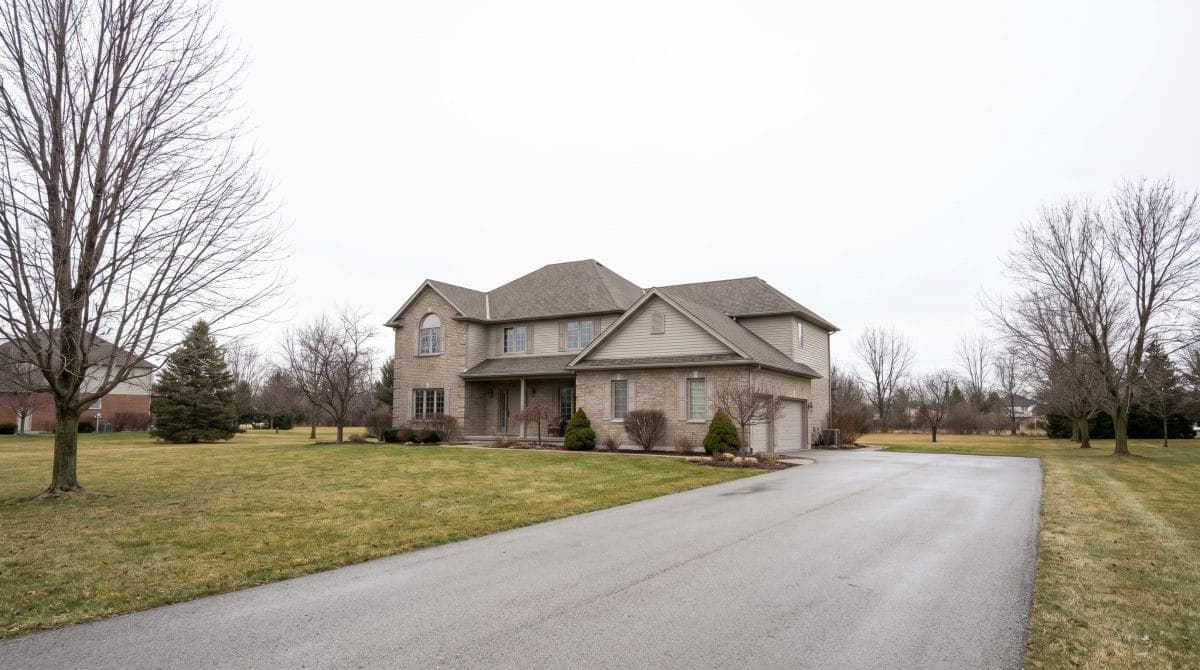
Worst States for Property Tax: Where Homeowners Pay the Most
Property taxes represent one of the largest recurring costs of homeownership, and where you live dramatically affects how much you pay. A handful of states consistently impose effective property tax rates that are two to three times the national median. Understanding which states carry the heaviest property tax burdens, and why, can help you make more informed decisions about where to buy, how to budget, and what trade-offs to expect. This guide covers the states generally considered the most expensive for property taxes, the factors that drive those rates, and important context about what high property taxes may or may not mean for your overall cost of living.
How Property Tax Burden Is Measured
There are two common ways to evaluate property tax burden at the state level:
- Effective tax rate: The median property tax paid as a percentage of the median home value. This is the most common apples-to-apples comparison.
- Median annual tax bill: The actual dollar amount the typical homeowner pays each year. States with very high home values can produce large tax bills even with moderate effective rates.
Both metrics matter. A state with a moderate effective rate but extremely high home values (such as California) may produce a larger dollar bill than a state with a high rate and moderate home values. This guide focuses primarily on effective tax rates, since they more directly reflect the tax policy burden independent of housing market conditions.
The States with the Highest Effective Property Tax Rates
Based on Census ACS data and related analyses of median taxes paid relative to median home values, the following states typically rank as having the highest effective property tax rates in the nation. Rates fluctuate year to year, but these states have consistently appeared near the top over the past decade.
| State | Approximate Effective Rate | Median Annual Tax Bill | Key Contributing Factors |
|---|---|---|---|
| New Jersey | 2.2% – 2.5% | $9,000 – $9,800 | Heavy reliance on local property tax for school funding; high cost of local government |
| Illinois | 2.0% – 2.3% | $5,000 – $5,800 | Fragmented local taxing bodies; pension obligations; limited state education funding |
| New Hampshire | 1.9% – 2.1% | $6,000 – $6,500 | No state income tax or sales tax; property tax is the primary revenue source |
| Connecticut | 1.8% – 2.1% | $6,200 – $7,400 | High municipal costs; aging infrastructure; pension liabilities |
| Vermont | 1.7% – 1.9% | $4,500 – $5,200 | Statewide education property tax; small tax base spread over rural communities |
| Wisconsin | 1.6% – 1.8% | $3,800 – $4,500 | Reliance on property tax for schools and local services |
| Texas | 1.6% – 1.8% | $3,800 – $5,000 | No state income tax; property tax funds most local services and school districts |
| Nebraska | 1.6% – 1.8% | $3,200 – $3,800 | Agricultural and residential property both taxed; heavy local reliance |
Figures are approximate ranges based on Census ACS estimates and may vary depending on the specific year and methodology used. Individual counties within each state can vary enormously from these medians.
Why These States Have Such High Rates
Structural reliance on property tax revenue
States like New Hampshire and Texas have no state income tax. This policy choice means that local governments generally rely much more heavily on property taxes to fund schools, roads, emergency services, and other public functions. The property tax, in effect, fills the gap that income or sales taxes occupy in other states. This is not inherently good or bad: it is a policy trade-off. Homeowners in these states may pay less in other tax categories, but the property tax burden is concentrated and visible.
Fragmented local government
Illinois is a notable example. The state has more units of local government than any other in the nation: over 6,900 taxing districts according to Census of Governments data. Each district, whether a school district, park district, library district, or fire protection district, may levy its own property tax. The cumulative effect of overlapping districts can produce very high combined rates, particularly in the Chicago metropolitan area and collar counties.
Education funding models
In many high-property-tax states, K-12 education is funded primarily through local property taxes rather than state-level revenue. New Jersey, Illinois, and Texas all fit this pattern. The result is that school quality can vary significantly by district, and districts with lower property values may need to impose higher rates to generate comparable per-pupil funding.
Pension and legacy costs
States like Connecticut and Illinois carry significant public pension obligations that are, in some cases, funded partially through property tax levies. These legacy costs add to the overall tax burden without necessarily producing visible new services for current residents.
Assessment practices
How properties are assessed matters as much as the nominal rate. Some states assess at full market value, while others assess at a fraction. Reassessment frequency varies: some jurisdictions reassess annually, while others may go years or even decades between reassessments. Infrequent reassessment can create situations where long-time homeowners pay rates based on outdated values while new buyers are assessed at purchase price, creating inequities within the same jurisdiction.
Important Context: High Rates Do Not Always Mean High Total Tax Burden
Property taxes are only one component of total state and local tax burden. A state with high property taxes but no income tax (Texas, New Hampshire) may produce a total tax burden that is comparable to or even lower than a state with moderate property taxes and high income taxes. The Tax Foundation and Census Bureau Annual Survey of State and Local Government Finances both provide data on combined tax loads.
For example, according to Census ACS data, New Jersey consistently ranks among the highest-burden states in total state and local taxes, meaning its high property taxes are not fully offset by savings elsewhere. Texas, on the other hand, generally falls closer to the national average for total tax burden despite its high property tax rate, because residents pay no state income tax.
Homeowners in most cases benefit from evaluating total cost of living, including property taxes, income taxes, sales taxes, insurance costs, and utility expenses, rather than isolating any single line item.
When High Property Tax States May Still Make Sense
High property taxes are not necessarily a reason to avoid a state entirely. Several factors may offset the burden:
- Lower home prices: Some high-rate states have relatively affordable home values. A 2% effective rate on a $200,000 home ($4,000 per year) produces a smaller annual bill than a 1% rate on a $700,000 home ($7,000 per year).
- Quality public services: In some high-tax jurisdictions, residents receive well-funded schools, maintained roads, responsive emergency services, and public amenities that may reduce other costs (such as private school tuition).
- No income tax trade-off: If your household income is high relative to your home value, living in a no-income-tax state with higher property taxes may result in net savings.
- Homestead exemptions and credits: Many high-property-tax states offer exemptions for primary residences, senior citizens, veterans, or disabled residents that can meaningfully reduce the effective bill. Texas, for instance, provides a mandatory homestead exemption for school district taxes (FHFA HPI and state comptroller data confirm ongoing adjustments to these thresholds).
When High Property Taxes Are Most Painful
Certain homeowner profiles tend to feel the impact of high property taxes more acutely:
- Retirees on fixed income: Property taxes generally rise over time with reassessments, but fixed-income households may not have growing revenue to match. Some states offer property tax freezes or deferrals for seniors, but these programs vary widely in generosity.
- Homeowners with low or no mortgage: When you own your home outright, property tax may become your single largest housing expense, making it more visible and burdensome.
- Investors and landlords: Investment properties typically do not qualify for homestead exemptions, so the full rate applies. These costs are generally passed through to renters, contributing to higher rents (HUD FMR data reflects this in fair market rent calculations for high-tax metro areas).
- Buyers at the margin of affordability: Lenders typically include estimated property taxes in the total monthly payment calculation. In high-tax states, this inclusion can reduce the purchase price you qualify for by tens of thousands of dollars.
A Note on Property Tax Trends
Property tax bills have generally risen over the past two decades across the country, but the pace varies. According to Census ACS data, median property taxes paid nationally increased by approximately 30% to 40% between 2010 and 2022 in nominal terms. States with rapid home price appreciation (tracked by FHFA HPI) tend to see corresponding assessment increases, though rate adjustments by local governments sometimes partially offset rising valuations.
Several states have enacted or proposed property tax reform in recent years. Texas passed legislation increasing the homestead exemption and compressing school district tax rates. Illinois has debated, but not enacted, significant structural reform to its property tax system. Nebraska has explored shifting more education funding to state-level sources to reduce local property tax reliance. These efforts may alter the rankings over time, so checking current rates in specific counties you are considering is generally advisable.
About this guide
This guide is educational content produced by HomeRule to help current and prospective homeowners understand how property tax burdens vary across states. It is not tax advice, financial planning guidance, or a recommendation to buy or avoid property in any specific location. Property tax rates, exemptions, and assessment practices change frequently and vary at the county and municipal level. Consultation with qualified professionals, such as a tax advisor, financial planner, or local real estate attorney, is typical and generally recommended when making personal decisions about homeownership and relocation.