
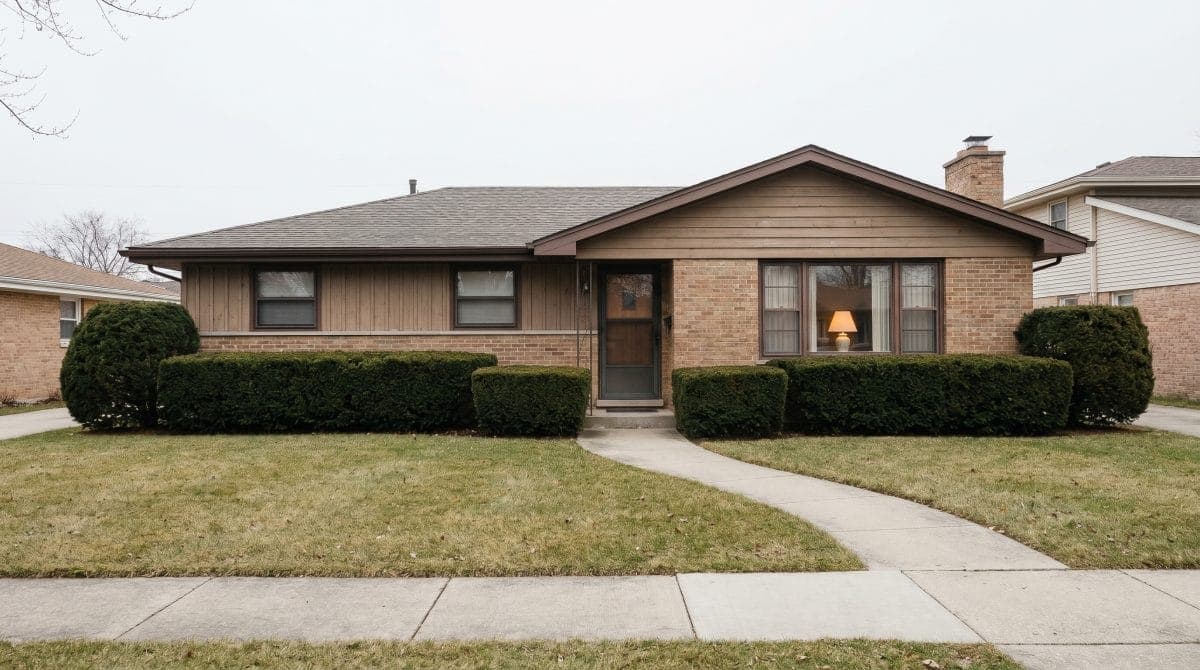
Down Payment: How Much Do You Really Need?
The down payment is typically the single largest upfront cost when buying a home, yet the amount you actually need may be far less than you think. While the 20% down payment has long been treated as a benchmark, data from the National Association of Realtors shows that the median down payment for first-time buyers has hovered around 6% to 8% in recent years. Many loan programs accept as little as 3% down, and some require no down payment at all. However, putting down less comes with tradeoffs: higher monthly payments, mortgage insurance costs, and greater exposure if home values decline. This guide walks through the realistic range of down payment options, the costs associated with each, and the situations where a larger or smaller down payment may or may not make sense.
The 20% Myth and Where It Comes From
The idea that you need 20% down is not entirely a myth. It is the threshold at which most conventional lenders do not require private mortgage insurance (PMI), which makes it a meaningful financial benchmark. On a $400,000 home, 20% equals $80,000. For many buyers, especially first-time purchasers, accumulating that sum while also paying rent and other living expenses is a significant challenge.
According to Census ACS data, the median household income in the United States is approximately $75,000 to $80,000. At typical savings rates, reaching $80,000 in liquid savings may take a decade or longer for many households. This is one reason the market has developed a wide range of lower down payment options.
Down Payment Minimums by Loan Type
Different mortgage programs carry different minimum requirements. The table below summarizes the most common options.
| Loan Type | Typical Minimum Down Payment | Key Conditions |
|---|---|---|
| Conventional (Fannie Mae/Freddie Mac) | 3% to 5% | PMI required below 20%; credit score minimums generally apply |
| FHA | 3.5% | Mortgage insurance premium (MIP) required for the life of the loan in most cases |
| VA | 0% | Available to eligible veterans and active-duty service members; funding fee typically applies |
| USDA | 0% | Property must be in an eligible rural area; income limits apply |
| Jumbo | 10% to 20% | Varies by lender; generally stricter requirements |
These figures represent program minimums. Individual lenders may impose higher requirements based on credit profile, property type, or market conditions.
The Real Cost of a Smaller Down Payment
Putting less money down reduces your upfront burden but increases ongoing costs in several ways.
Mortgage Insurance
PMI on conventional loans typically costs between 0.2% and 2.0% of the loan balance per year, depending on credit score, loan-to-value ratio, and the insurer. On a $380,000 loan (5% down on a $400,000 home), PMI might add $80 to $250 per month. The advantage of conventional PMI is that it can generally be removed once you reach 20% equity through payments or appreciation.
FHA loans carry an upfront mortgage insurance premium (currently 1.75% of the loan amount) plus an annual premium (typically 0.55% for most borrowers). For loans with less than 10% down, FHA MIP lasts the entire life of the loan unless you refinance into a different product.
Higher Monthly Payments
A larger loan balance means higher principal and interest payments. On a $400,000 home at a 7% interest rate:
- 20% down ($320,000 loan): approximately $2,129/month in principal and interest
- 10% down ($360,000 loan): approximately $2,395/month, plus PMI
- 3% down ($388,000 loan): approximately $2,581/month, plus PMI
Over 30 years, the difference between 3% and 20% down can amount to tens of thousands of dollars in additional interest, even before accounting for mortgage insurance.
Negative Equity Risk
With a smaller down payment, you have less of a cushion if home values decline. FHFA HPI data shows that while national home prices have generally trended upward over long periods, regional and local markets can experience meaningful declines. Buyers who purchased with 3% down in markets that subsequently fell 10% or more may find themselves owing more than the home is worth, which complicates selling or refinancing.
When a Smaller Down Payment May Make Sense
Despite the costs, there are situations where a lower down payment is a reasonable choice.
- High-rent markets: In areas where rent is comparable to or exceeds a mortgage payment, waiting years to save 20% means continuing to spend heavily on housing with no equity accumulation. HUD FMR data shows that fair market rents in many metropolitan areas exceed $2,000 per month for a two-bedroom unit, making the opportunity cost of waiting significant.
- Rapidly appreciating markets: If local prices are rising faster than you can save, a smaller down payment now may cost less than a larger one later, though this depends on future appreciation, which is never guaranteed.
- Strong emergency reserves: If draining your savings to reach 20% would leave you with little to no financial cushion, a smaller down payment that preserves liquidity may be more prudent. Homeownership comes with unexpected expenses: repairs, property tax increases, and insurance changes.
- Access to down payment assistance: Many state and local programs offer grants, forgivable loans, or matched savings for first-time buyers. These programs can offset some of the cost disadvantages of a smaller down payment.
When a Larger Down Payment May Make Sense
Conversely, there are circumstances where aiming higher is generally beneficial.
- Lower interest rates: Some lenders offer better rates to borrowers with lower loan-to-value ratios. The savings over 30 years can be substantial.
- Eliminating PMI from day one: Avoiding mortgage insurance entirely saves a predictable monthly expense and simplifies your housing budget.
- Competitive offers: In markets with multiple offers, sellers may favor buyers with larger down payments as a signal of financial strength, though this varies by market conditions.
- Investment property purchases: Lenders typically require 15% to 25% down for non-owner-occupied properties, with limited low-down-payment alternatives.
Down Payment Sources and Rules
Lenders generally care not just about the amount but also about where the money comes from. Common acceptable sources include:
- Personal savings and checking accounts
- Gifts from family members (with a gift letter documenting that repayment is not expected)
- Down payment assistance programs (state, local, or employer-sponsored)
- Proceeds from the sale of another asset
- Retirement account withdrawals or loans (though tax implications and penalties may apply; IRS SOI data and IRS rules govern the treatment of these distributions)
Lenders typically require documentation showing that funds have been in your account for at least 60 days, or “seasoned.” Large, unexplained deposits during the underwriting period may trigger additional verification requirements.
The Opportunity Cost Question
One argument sometimes made against large down payments is opportunity cost: the idea that money invested in the stock market or other assets might earn a higher return than the effective savings from a larger down payment. This argument has some mathematical validity in periods of strong market performance, but it carries important caveats.
- Investment returns are not guaranteed. A down payment reduces your loan balance with certainty.
- The “return” on a larger down payment includes PMI avoidance, lower interest costs, and reduced risk, none of which fluctuate with market conditions.
- Leverage works both ways. A smaller down payment amplifies gains when prices rise but also amplifies losses when they fall.
There is no universally correct answer to this tradeoff. It depends on individual risk tolerance, investment timeline, local market conditions, and the specific loan terms available.
Situations Where This Guide May Not Apply
This guide focuses on primary residence purchases using standard mortgage products. It may not apply in the following cases:
- Cash purchases: Buyers purchasing without a mortgage face no lender-imposed down payment requirements.
- Construction loans: These typically have different equity and disbursement structures.
- Manufactured or mobile homes: Financing options and down payment requirements differ significantly from conventional real estate.
- Co-op purchases: Cooperative housing boards often impose their own financial requirements, which may exceed standard lender minimums.
- Non-U.S. properties: Lending standards, insurance requirements, and available programs vary by country.
A Practical Framework
Rather than fixating on a single percentage, it generally helps to consider the down payment decision within your broader financial picture:
- Calculate total upfront costs: The down payment is only part of the picture. Closing costs typically add 2% to 5% of the purchase price. Moving expenses, immediate repairs, and furnishing costs also factor in.
- Maintain reserves: Financial advisors commonly suggest keeping three to six months of expenses accessible after closing. A home purchase that depletes all liquid savings can create vulnerability.
- Model the monthly payment: Use the actual loan amount, estimated PMI, property taxes (often based on local assessment data), and homeowners insurance to understand your true monthly obligation.
- Consider your timeline: If you plan to stay fewer than five years, the higher monthly costs of a smaller down payment may matter more, because you have less time to build equity and potentially less appreciation to offset closing costs.
About This Guide
This guide is produced by HomeRule for educational purposes. It is designed to help homebuyers understand the range of down payment options and the financial tradeoffs involved. HomeRule is not a lender, real estate agent, appraiser, or financial advisor. The figures and thresholds referenced reflect general market conditions and program guidelines, which change over time. Consultation with qualified mortgage professionals, financial advisors, and housing counselors is typical and generally advisable when making personal homeownership decisions.