
Summary: What a Home Inspection Covers and Why It Matters
A home inspection is a visual, non-invasive examination of a property’s major systems and structural components. It is typically performed by a licensed or certified inspector before a home purchase closes. The inspection report may influence negotiations, repair requests, or a buyer’s decision to proceed with the transaction. Understanding what is, and what is not, included in a standard inspection helps set realistic expectations and may prevent costly surprises after closing. This guide covers the major areas a home inspection addresses, common limitations, situations where specialized inspections may be warranted, and the costs involved.
What a Standard Home Inspection Includes
Most home inspections follow standards of practice published by professional organizations such as the American Society of Home Inspectors (ASHI) or the International Association of Certified Home Inspectors (InterNACHI). While specific scope may vary by state licensing requirements, a standard inspection generally covers the following systems and components.
Structural Components
The inspector typically examines the foundation, load-bearing walls, columns, floors, ceilings, and roof structure. They look for visible signs of settlement, cracking, bowing, or water damage that may indicate structural concerns. The inspection is visual: inspectors do not typically open walls, dig around foundations, or perform engineering calculations. If structural issues are suspected, the inspector may recommend evaluation by a licensed structural engineer.
Roofing
The roof inspection generally covers shingles or other roofing materials, flashing, gutters, downspouts, skylights, and chimneys. The inspector may walk the roof if conditions are safe, or examine it from ground level or with a drone. They look for missing or damaged shingles, signs of leaking, improper flashing, and general wear. The inspector typically estimates the roof’s approximate remaining life based on its condition and material type, though this is an estimate rather than a guarantee.
Exterior
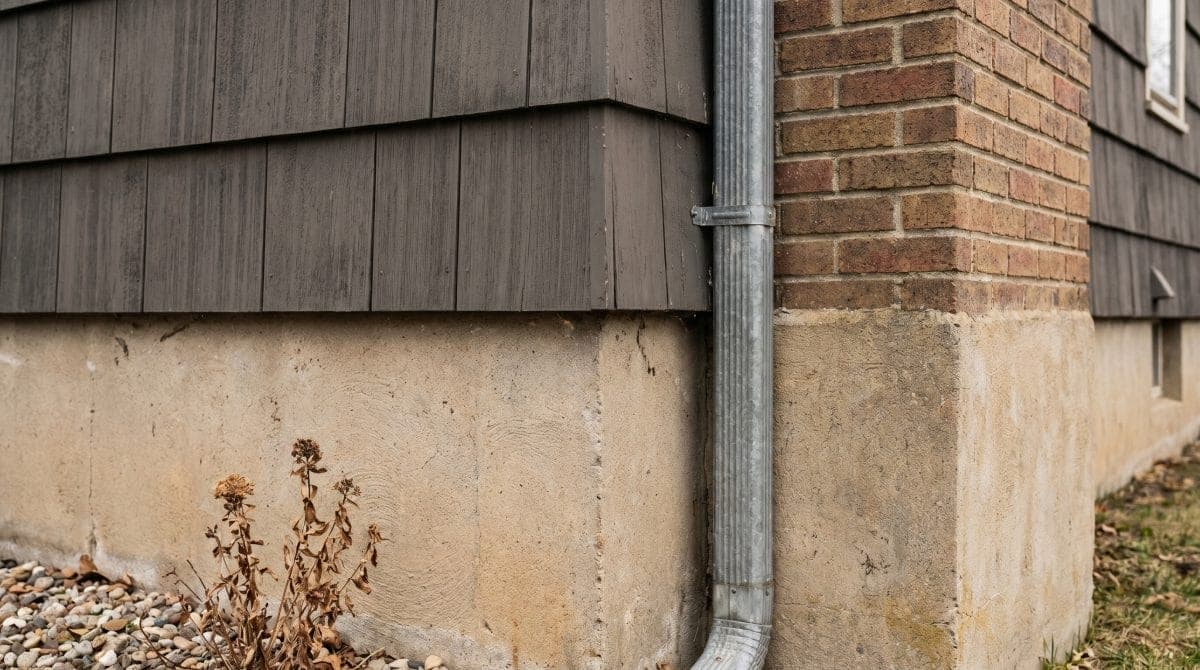
Exterior inspection generally includes siding, trim, windows, doors, porches, decks, balconies, and walkways. Grading and drainage around the foundation are also evaluated, as improper drainage is one of the most common sources of water intrusion in homes. According to Census ACS data, a significant share of the U.S. housing stock was built before modern building codes were widely adopted, which means exterior issues related to outdated construction practices are relatively common in older homes.
Plumbing
Inspectors typically check visible supply and drain pipes, water heaters, fixtures, faucets, and functional water flow. They look for leaks, corrosion, improper materials, and adequate water pressure. Sewer lines and septic systems are generally not part of a standard inspection and may require a separate scope or specialist.
Electrical Systems
The electrical evaluation generally covers the main service panel, circuit breakers or fuses, visible wiring, outlets, switches, and ground fault circuit interrupter (GFCI) protection in wet areas. Inspectors look for outdated wiring types (such as knob-and-tube or aluminum branch wiring), double-tapped breakers, missing junction box covers, and other safety concerns. According to DOE EIA residential energy data, homes built before 1970 are more likely to have electrical systems that predate current safety standards.
Heating, Ventilation, and Air Conditioning (HVAC)
The inspector typically operates the heating and cooling systems to verify basic function, checks visible ductwork, examines the furnace or boiler, and notes the approximate age and condition of equipment. Filters, thermostats, and accessible components are also evaluated. The inspector does not typically disassemble equipment or perform combustion efficiency testing. Systems are generally tested only in the mode appropriate for current weather conditions: in some cases, an air conditioning system may not be tested during winter to avoid equipment damage.
Interior
Inside the home, the inspector examines walls, ceilings, floors, stairs, railings, countertops, cabinets, windows, and doors. They look for signs of water damage, improper modifications, safety hazards (such as missing stair railings), and general condition. Cosmetic defects are generally noted but are not the primary focus.
Insulation and Ventilation
Accessible attic spaces and crawl spaces are typically inspected for insulation type, depth, and condition. Ventilation in attics, bathrooms, kitchens, and laundry areas is evaluated. Proper ventilation and insulation play a meaningful role in energy efficiency and moisture control. DOE EIA data indicates that heating and cooling account for roughly half of a typical home’s energy consumption, making the condition of insulation and ventilation relevant to ongoing ownership costs.
Fireplaces and Chimneys
If present, fireplaces and chimneys are visually inspected for visible damage, proper clearances, damper function, and signs of deterioration. A full chimney inspection (Level 2 or Level 3 per the Chimney Safety Institute of America) is beyond the scope of a standard home inspection and may be recommended separately.
Garage
The garage inspection typically covers the garage door and opener (including auto-reverse safety features), fire separation between the garage and living space, and general structural condition.
What a Standard Home Inspection Does Not Cover
Understanding the limitations of a home inspection is just as important as understanding what it includes. The following areas are generally excluded from a standard inspection.
- Behind walls, under floors, and in concealed spaces: The inspection is visual and non-destructive. Inspectors do not move furniture, remove drywall, or excavate soil.
- Mold testing: While inspectors may note visible mold-like substances, laboratory testing for mold species is typically a separate service.
- Radon testing: Radon is a naturally occurring radioactive gas that may accumulate in homes. Testing requires specialized equipment and is generally a separate engagement.
- Pest and termite inspection: Wood-destroying organism inspections are typically performed by licensed pest control professionals and are separate from a home inspection, though some inspectors may offer both services.
- Asbestos, lead paint, and other hazardous materials: Identifying these materials typically requires sampling and laboratory analysis.
- Sewer scope: A camera inspection of the sewer line from the home to the municipal connection (or septic tank) is a separate service that may be particularly important in older homes or areas with known root intrusion or clay pipe deterioration.
- Well and septic systems: Homes on private water and waste systems typically benefit from specialized testing. Well water quality testing and septic system evaluation are generally not included in a standard home inspection.
- Swimming pools and spas: Some inspectors offer pool inspection as an add-on service, but it is generally not part of the standard scope.
- Code compliance: A home inspection is not a building code inspection. Inspectors may note conditions that appear inconsistent with common safety practices, but they are not typically acting as code enforcement officials.
When Specialized Inspections May Be Warranted
Depending on the property’s age, location, and characteristics, additional inspections may be appropriate.
| Situation | Specialized Inspection to Consider |
|---|---|
| Home built before 1978 | Lead paint assessment |
| Home in a flood zone | Flood risk evaluation (FEMA NFIP flood maps may indicate the property’s zone designation) |
| Home with a basement or in a high-radon area | Radon testing |
| Home with older sewer lines (pre-1970s) | Sewer scope inspection |
| Home on a private well | Water quality testing |
| Home on a septic system | Septic inspection and tank pumping |
| Home in a termite-prone region | Wood-destroying organism inspection |
| Home with suspected structural issues | Structural engineer evaluation |
| Home with older or unusual HVAC equipment | HVAC specialist assessment |
Cost of a Home Inspection
Home inspection costs vary based on property size, age, location, and the inspector’s qualifications. For a typical single-family home, costs generally range from $300 to $600. Larger, older, or more complex properties may cost more. Specialized add-on inspections (radon, sewer scope, mold testing) typically add $100 to $300 each. According to HUD FMR and Census ACS data on housing characteristics, the median home size and age vary significantly across metro areas, which contributes to regional variation in inspection pricing.
Limitations and Situations Where a Home Inspection May Not Apply
A home inspection provides a snapshot of the property’s condition on the day of the inspection. It does not predict future problems or guarantee that all defects have been identified. Some important caveats to keep in mind:
- Systems that are turned off, winterized, or inaccessible at the time of inspection may not be fully evaluated.
- Latent defects (hidden problems with no visible indicators) may not be discoverable through a visual inspection.
- Inspectors are generalists. They are trained to identify a broad range of issues but may not have the depth of knowledge of a specialist (electrician, plumber, structural engineer) in any single trade.
- In competitive real estate markets, some buyers choose to waive the inspection contingency to make their offers more attractive. This practice carries significant risk, as it removes a key opportunity to identify costly problems before closing.
- New construction homes may also benefit from inspection. While they are built to current code, construction defects, incomplete work, and material issues are not uncommon.
- Home inspections are generally not required by law for a real estate transaction, though lenders or local regulations may impose requirements in certain cases.
How to Use an Inspection Report
The inspection report is typically a detailed document with photographs, descriptions of issues found, and recommendations for further evaluation or repair. It may categorize findings by severity: safety hazards, major defects, minor defects, and maintenance items. In most cases, not every item in the report requires immediate action. Buyers typically use the report to prioritize concerns, estimate potential repair costs, and inform negotiation discussions with the seller. The report may also serve as a useful maintenance roadmap for the early years of ownership.
It is worth noting that inspection findings may affect a buyer’s perception of a property’s value, but they do not constitute a formal appraisal. Home value estimates from lenders and appraisers, which may reference data from sources such as FHFA HPI, are separate from the inspection process.
About this guide
This guide is educational in nature and is intended to help homeowners and prospective buyers understand the general scope of a home inspection. It does not constitute professional advice on home inspection, real estate transactions, or property condition assessment. HomeRule is not a real estate agent, lender, appraiser, home inspector, or financial advisor. Consultation with qualified professionals, including licensed home inspectors, structural engineers, and other specialists, is typical and generally advisable when making personal decisions about purchasing or maintaining a home.